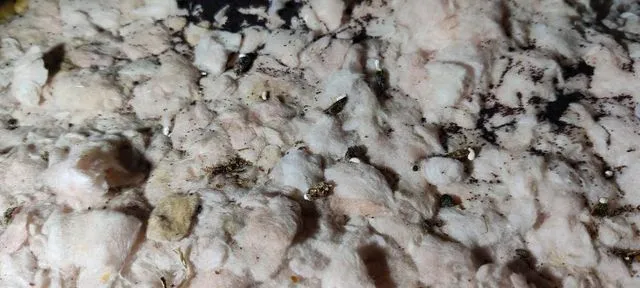
Congratulations on buying your first home! The inspection process can seem intimidating, but this guide will help you understand everything you need to know.
What is a Home Inspection?
A home inspection is a professional, objective examination of a property's condition. It covers:
- Structure and foundation
- Roof and attic
- Plumbing systems
- Electrical systems
- HVAC systems
- Interior and exterior components
Why You Need One
Protects Your Investment
- Homes are expensive—know what you're buying
- Identify problems before they become your problems
- Negotiate repairs or price reductions
Ensures Safety
- Identify electrical hazards
- Detect structural issues
- Find fire and carbon monoxide risks
Plans for Future
- Know what systems are near end of life
- Budget for upcoming repairs
- Prioritize maintenance needs
Required by Lenders
- Most mortgage lenders require inspections
- Protects their investment too
- Some issues can prevent financing
When to Schedule
Timing in the Buying Process:
- Make an offer with inspection contingency
- Schedule inspection within 7-10 days
- Review report and decide on next steps
- Request repairs or renegotiate
- Remove contingency or walk away
How Long Does It Take?
- 2-4 hours for typical single-family home
- Larger or older homes take longer
- You should plan to attend
Choosing an Inspector
Look For:
- Professional certifications (InterNACHI, ASHI)
- State licensing (where required)
- Experience (hundreds of inspections)
- Good reviews and references
- Comprehensive reports
- Errors and omissions insurance
Red Flags:
- Extremely low prices
- No credentials or insurance
- Unwilling to let you attend
- Quick, cursory inspections
- Vague or incomplete reports
What to Ask Your Inspector
Before hiring, ask:
- How long have you been inspecting?
- What's included in your inspection?
- Can I attend the inspection?
- When will I receive the report?
- What format is the report?
- Do you offer any guarantees?
- Are you insured?
Attending the Inspection
Why You Should Go:
- Learn about your new home
- Ask questions in real-time
- Understand severity of issues
- Get maintenance tips
- Build relationship with inspector
What to Bring:
- Notepad and pen
- Camera or phone for photos
- Copy of the listing
- Questions about the home
- Comfortable clothes and shoes
What to Expect:
- Inspector will start outside, work inside
- They'll explain findings as they go
- Take lots of photos
- Test various systems
- Access crawl spaces and attic
- Provide overview at end
Understanding the Report
Reports typically include:
- Summary of major findings
- Detailed descriptions by system
- Photos of issues
- Recommendations for repairs
- Maintenance suggestions
Don't Panic When You See Issues
- Every home has some issues
- Even new homes have inspection findings
- Focus on safety and major problems
- Minor items are normal
Common First-Time Buyer Questions
Q: Will the inspector tell me if I should buy the house?
A: No, inspectors provide information but don't make buy/don't buy recommendations. That decision is yours.
Q: What if major problems are found?
A: You can request repairs, ask for price reduction, or walk away if you have an inspection contingency.
Q: Should I be there the whole time?
A: At minimum, attend the beginning and end. The final walkthrough is most important.
Q: Can I bring my contractor?
A: Usually yes, but check with your inspector first. Keep the group small.
Q: What if the seller refuses repairs?
A: You can negotiate price reduction, accept as-is, or walk away if issues are serious.
Negotiating After Inspection
Strategies That Work:
- Focus on safety and major systems
- Request repair or credit, not both
- Be reasonable with minor items
- Prioritize what matters most
- Get contractor estimates first
What Sellers Usually Fix:
- Safety hazards
- Major system failures
- Roof leaks
- Foundation issues
- Code violations
What Sellers Usually Won't Fix:
- Minor cosmetic items
- Normal wear and tear
- Disclosed issues
- Items clearly visible before offer
Red Flags That Should Concern You
Walk Away Considerations:
- Major structural problems
- Extensive water damage or mold
- Electrical hazards throughout
- Foundation failure
- Repair costs exceed your budget
Usually Negotiable:
- HVAC needs replacement
- Roof has limited life left
- Plumbing updates needed
- Minor foundation cracks
- Electrical panel upgrade needed
After the Inspection
If Moving Forward:
- Keep the inspection report
- Complete agreed-upon repairs
- Verify repairs were done correctly
- Plan for future maintenance
- Budget for items nearing end of life
If Walking Away:
- Review your contingency timeline
- Notify all parties in writing
- Ensure deposit is returned
- Learn from the experience
- Keep looking for the right home
Budget for Post-Inspection
Set aside funds for:
- Immediate repairs not covered by seller
- First-year maintenance (1-2% of home value)
- System replacements in next 2-5 years
- Emergency repairs
- Routine maintenance and upkeep
Common First-Time Buyer Mistakes
Mistake 1: Skipping the Inspection
Even new homes need inspections. Never waive this contingency to make your offer more competitive.
Mistake 2: Hiring the Cheapest Inspector
Quality matters. This is your biggest purchase—invest in a thorough inspection.
Mistake 3: Not Attending
You'll learn so much by being there. It's worth taking time off work.
Mistake 4: Overreacting to Minor Issues
Every house has problems. Focus on what really matters.
Mistake 5: Not Reading the Full Report
Don't just read the summary. Understanding details helps you plan for the future.
Maintenance Tips for New Homeowners
Your inspector should provide guidance on:
- HVAC filter changes (monthly)
- Gutter cleaning (twice yearly)
- Smoke detector testing (monthly)
- Water heater maintenance (annually)
- Seasonal home maintenance tasks
Questions After Move-In
Good inspectors remain available for:
- Questions about the report
- Clarification on findings
- Maintenance advice
- Contractor referrals
- Follow-up concerns
The Investment is Worth It
A $400-600 inspection can:
- Save thousands in unexpected repairs
- Give you negotiating power
- Provide peace of mind
- Help you plan and budget
- Teach you about home maintenance
Your First Home Journey
The home inspection is a crucial step in your first home purchase. It protects you, educates you, and ensures you're making a sound investment. Don't skip it, don't rush it, and don't be afraid to ask questions.
Ready to schedule your first home inspection? Contact Mizell Home Inspections for a thorough, educational inspection experience perfect for first-time buyers. I'll walk you through everything and answer all your questions.


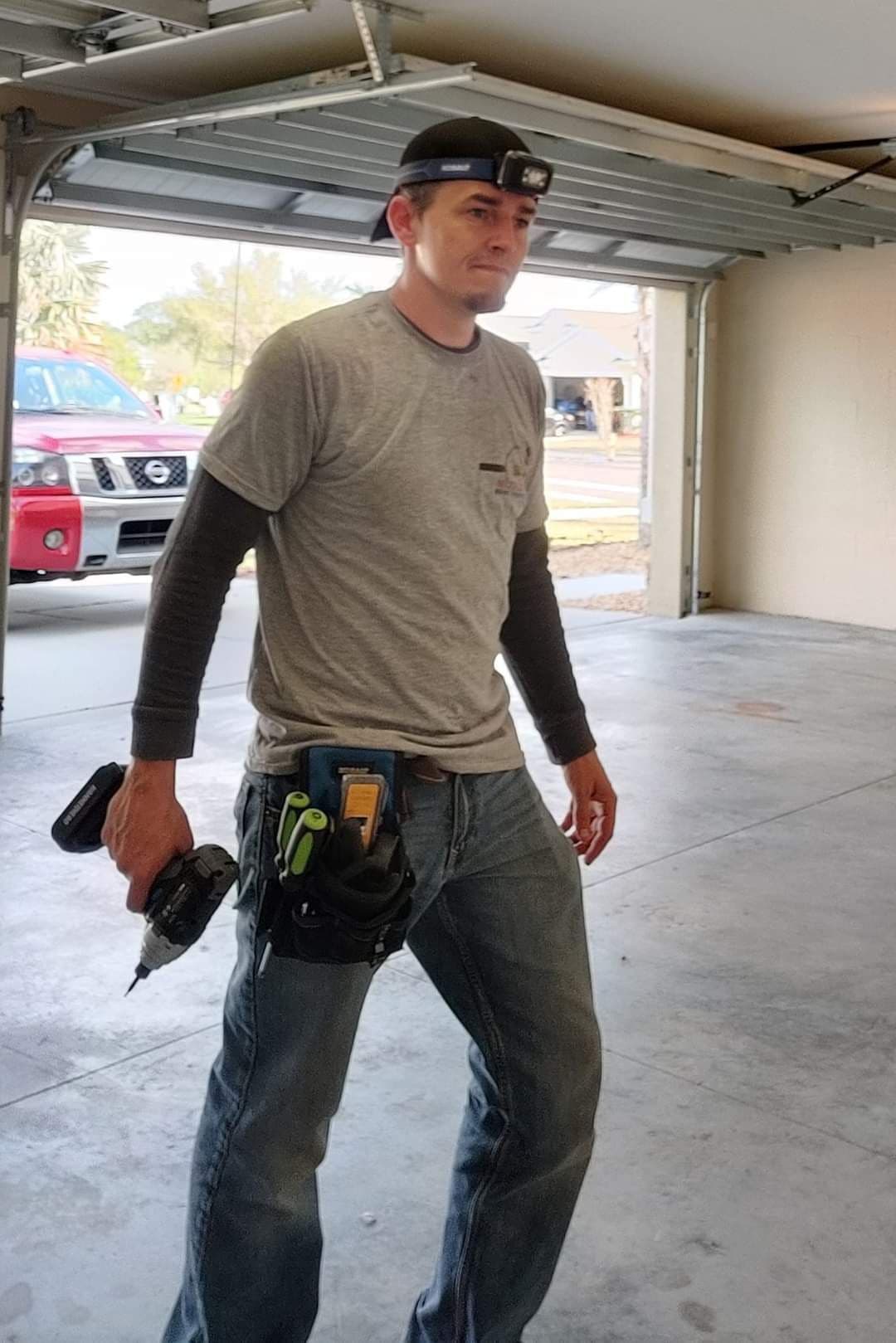 Inspector Shawn